
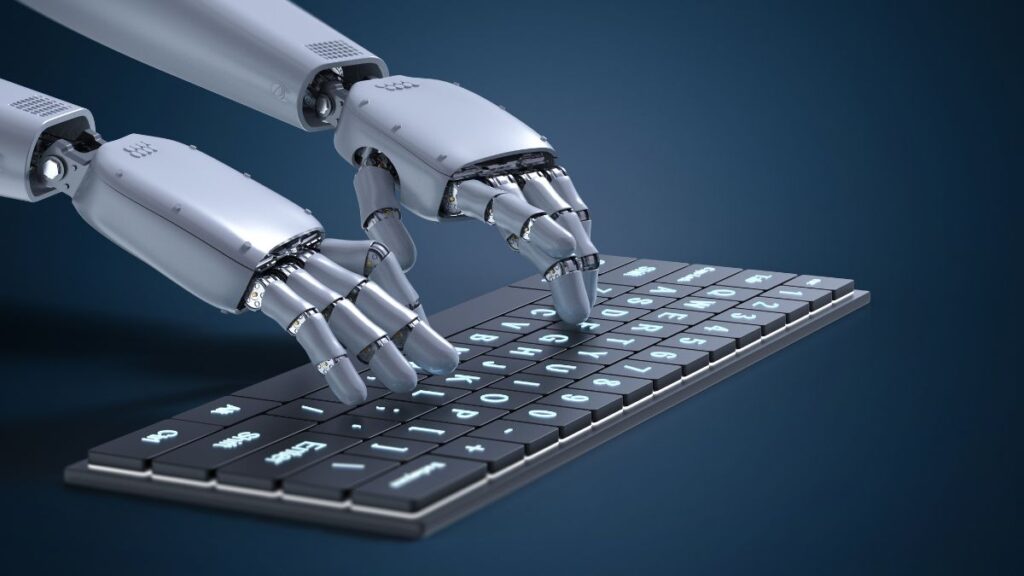
Rapid advancements in artificial intelligence (AI) have revolutionized various sectors, including literature. This development has led to a surge of interest in using AI to write a book. While AI offers numerous writing advantages, it also presents several challenges. This article delves into the pros and cons of using AI to write a book, providing a balanced perspective on this growing trend.
Can AI Write a Book?
The answer to “Can AI write a book?” is complex. It depends on what one considers a “book.”
If a book is defined as a coherent and engaging narrative with developed characters and a compelling plot, then yes. AI can produce such content. However, the quality and depth of the writing may vary depending on the tool and the input provided by the human user.
AI-generated books can range from simple stories for children to more complex narratives. Authors can use AI to draft chapters, develop dialogue, and create entire manuscripts. However, human oversight is crucial to ensure the text aligns with the intended tone, style, and plot.
How to Use AI to Write a Book
For those interested in using AI in their writing process, it is essential to approach it strategically. Here are some tips on how to use AI to write a book:
- Set Clear Objectives: Before starting, clearly define the objectives and goals for the book and determine what aspects of the writing process you want AI to assist with. Having a clear goal will help you use the tool more effectively.
- Choose the Right Tool: Various AI writing tools are available, each with strengths and limitations. Popular options include OpenAI’s GPT-3, Jasper AI, and Sudowrite. Research and select a tool that aligns with your needs and preferences. Consider factors such as ease of use, customization options, and the quality of content.
- Input Detailed Prompts: AI tools work best with detailed and specific prompts. Provide the AI with a comprehensive description of your story, including character profiles, plot points, and desired tone. The more information provided, the better the output will be.
- Generate and Review Content: Use the AI tool to generate content based on your prompts. Review the output carefully, making necessary changes and adjustments.
- Refine and Edit: AI-generated text may require significant editing to meet your standards. Ensure the information is accurate, the style is consistent, and the text resonates with your intended audience. Editing is crucial to maintaining the quality and integrity of your work.
- Iterate and Improve: Writing is a process. Use AI to experiment with different ideas, generate multiple drafts, and continually improve your book. Feel free to iterate and make changes until you are satisfied with the final product.
Should You Use AI to Write a Book?
Using AI in writing presents exciting possibilities and significant challenges. Before incorporating AI systems into the book-writing process, it is vital to consider the benefits and drawbacks.
The pros and cons of using AI to write a book are discussed below to help authors make an informed decision.
The Pros of Using AI to Write a Book
Using AI to write a book offers several advantages. These include:
1) Efficiency and Speed
One of the most compelling benefits of using AI to write a book is increased efficiency and speed. Traditional writing processes can be time-consuming, often taking months or years to complete a book.
By contrast, AI software can generate large volumes of text in a fraction of the time, producing a completed draft in hours rather than weeks. This allows for a more expedited creative process, which can be particularly beneficial for writers facing tight deadlines or in industries that demand quick content production.
2) Consistency and Accuracy
AI systems are designed to maintain a high level of consistency and accuracy in writing. They can adhere to specific styles, tones, and guidelines without deviation.
AI can also minimize grammar, punctuation, and syntax errors, ensuring that the final product is polished and professional. This reduces the need for extensive editing and revision, which is beneficial for long projects and writing assignments.
3) Creative Assistance
AI can generate ideas, suggest plot developments, and create character outlines. Authors can use these suggestions as a foundation to build upon, enhancing their creative process. For instance, using AI to write a book can help authors overcome writer’s block by providing fresh perspectives and ideas, helping them move past creative roadblocks, and maintaining momentum in their writing.
4) Cost-Effectiveness
Employing AI to write a book can be more cost-effective than hiring a human writer. AI eliminates the need for salaries, benefits, and other expenses associated with human employees. This affordability makes it more accessible to authors with limited budgets, such as self-published writers or small publishing houses.
5) Accessibility and Inclusivity
AI technology can make writing more accessible to individuals with disabilities or those who face challenges with traditional writing methods. For example, voice-to-text AI can assist individuals with physical impairments translate their ideas into written form. This inclusivity ensures that a broader range of voices and perspectives can be represented in literature.
AI also excels at processing large amounts of information quickly. Authors can leverage AI to gather and integrate research data seamlessly into their books, enhancing the credibility and depth of their writing.
The Cons of Using AI to Write a Book
While the potential of using AI to write a book is exciting, there are challenges and considerations to keep in mind. This section outlines these drawbacks.
1) Lack of Human Creativity and Emotion
While AI can efficiently generate grammatically correct and contextually appropriate text, it often lacks creativity, emotional depth, and a nuanced understanding of human emotions and experiences that make literature compelling. This limitation can lead to books that feel uninspired or fail to connect with readers on an emotional level.
2) Ethical and Copyright Concerns
Using AI to write a book raises several ethical and copyright concerns. AI systems are trained on existing literature, which means they can create content that is derivative of existing works. This can make determining ownership and authorship of AI-generated content challenging, leading to legal disputes and ethical dilemmas.
Additionally, readers may feel deceived if they discover a book was written by AI instead of a human writer, which can damage the author’s reputation and credibility.
3) Quality and Originality Issues
While AI can generate content quickly, the quality and originality of that content can be inconsistent. AI often relies on patterns and data from existing works, resulting in predictable narratives containing errors, inaccuracies, or outdated information.
Authors must diligently review and fact-check the content produced by AI to ensure its accuracy, which can make the process less efficient than anticipated. Additionally, the reliance on pre-existing data can stifle originality and lead to a homogenization of literature.
4) Dependence on Technology
Relying heavily on AI to write a book can create a dependency on technology, which may have long-term implications for the writing profession.
Writing is a craft that improves with practice, and excessive use of AI tools can diminish an author’s ability to develop their style and voice. Forgoing the development of essential writing skills may minimize the pool of skilled writers. Technological failures or limitations can also disrupt the writing process, leading to delays and complications.
5) Reader Perception and Acceptance
Readers’ perception and acceptance of AI-generated content is another significant consideration. Many readers value the human touch in literature and may be skeptical or critical of books written by AI. This skepticism can affect the marketability and success of AI-generated books. Authors and publishers must navigate this perception carefully to ensure their works are well-received.
The Future of AI in Literature: A Hybrid Approach
The future of AI in literature is promising, but uncertain. As AI technology continues to advance, its capabilities in generating creative content will improve. This could lead to a new era of collaboration between humans and machines, where AI assists authors in creating richer and more diverse stories.
However, the human touch will remain irreplaceable. The emotional depth, personal experiences, and unique perspectives that human authors bring to their work cannot be replicated by AI.
The key to successfully integrating AI into the writing process lies in finding a balance where AI serves as an aid rather than a replacement for human creativity, intuition, and critical thinking.
For inexperienced authors still developing their craft, this may involve hiring a ghostwriter. Ghostwriters blend their writing with the original author’s voice to produce compelling and meaningful narratives. They can leverage AI to enhance their efficiency and creativity while maintaining the authentic human touch in the stories they help create.
Regardless of one’s writing skills, AI tools can provide valuable assistance in brainstorming, drafting, and refining written work. By understanding how to use AI to write a book and recognizing its potential and limitations, writers can harness this technology to create a more balanced and compelling final product.
Ultimately, the future of using AI to write a book will depend on how well we can harmonize technological advancements with the art of storytelling.